
Remote Health Monitoring: Top Features Every Platform Needs
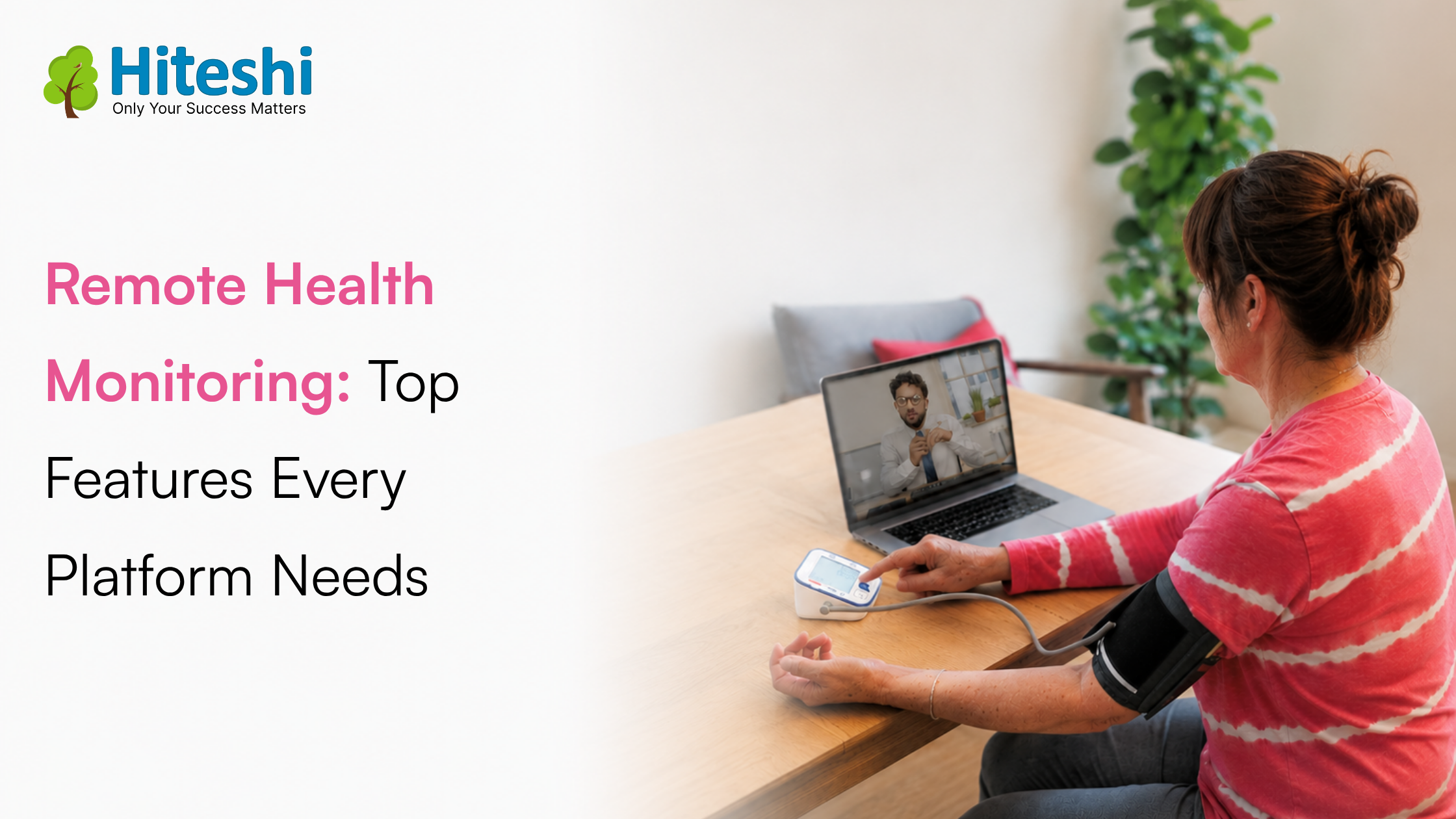
Healthcare is no longer limited to clinic visits. Patients today expect continuous care, faster responses, and easy access to their health information from anywhere. For healthcare businesses, this means investing in the right remote health monitoring platform, one that keeps patients engaged, reduces unnecessary hospital visits, and supports long-term growth.
The demand for connected healthcare solutions is increasing rapidly across the healthcare industry. The Remote Patient Monitoring Systems Market size is expected to increase from USD 85.46 billion in 2025 to USD 102.44 billion in 2026 and reach USD 253.94 billion by 2031.
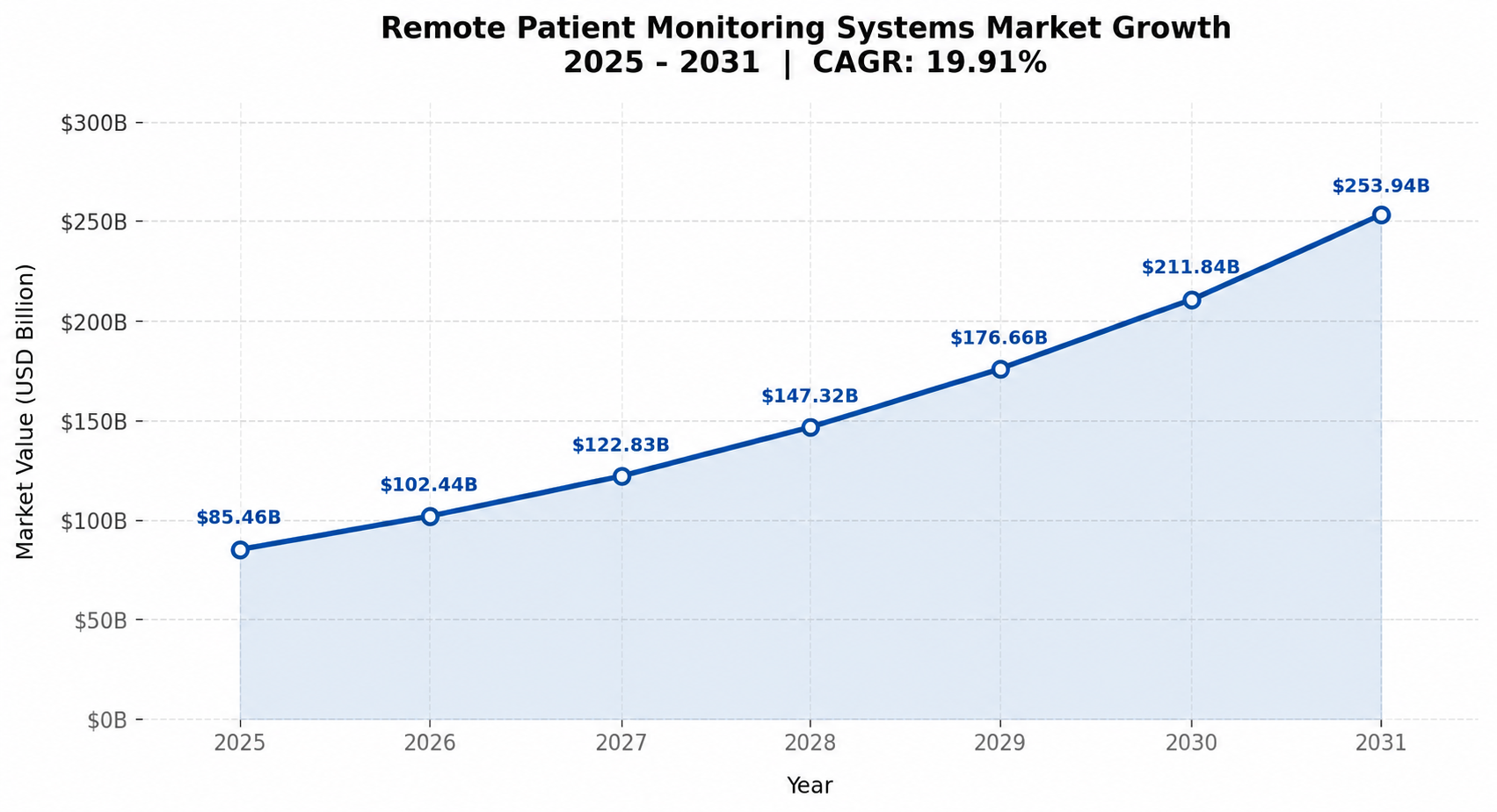
This growth reflects how healthcare providers are prioritising digital healthcare experiences, continuous patient engagement, and more efficient care delivery systems.
Growing Investment in Remote Health Monitoring Across Healthcare
Patient expectations have evolved rapidly in recent years. People want healthcare providers to stay connected even outside hospital visits. They expect quicker responses, continuous updates, and convenient communication without unnecessary appointments. AI-powered solutions are helping providers deliver faster insights, personalised care, and proactive patient support.
At the same time, healthcare organizations are under pressure to:
- Reduce hospital readmissions
- strengthen patient relationships
- Manage chronic conditions efficiently
- Improve operational workflows
An effective remote health monitoring platform enables healthcare providers to address operational challenges while delivering a better experience for patients.
Must-Have Features for Remote Health Monitoring
Real-Time Tracking in Remote Health Monitoring Platforms
Patients and healthcare providers both need immediate visibility into health updates. A strong healthcare monitoring platform continuously tracks important wellness indicators and displays them in real time.
This may include:
- Heart rate
- Blood pressure
- Oxygen levels
- Sleep activity
- Daily movement patterns
When health readings change significantly, the platform can instantly notify healthcare teams so they can respond faster.
Smart Alerts and Notifications for Better Patient Care
Too many notifications can overwhelm healthcare teams, while too few can result in missed warning signs. The best platforms create balanced and intelligent alert systems.
Smart notifications can help providers monitor:
- Abnormal health readings
- Missed medications
- Upcoming appointments
- Sudden changes in patient conditions
- Follow-up reminders
Configurable alerts allow healthcare providers to customize notifications based on individual care plans.
Secure Data Management in Remote Health Monitoring Systems
Building patient confidence is essential for the adoption of digital healthcare solutions. Patients need confidence that their health information remains protected at all times.
A secure healthcare platform should include:
- Protected patient records
- Secure login systems
- Role-based access permissions
- Encrypted cloud storage
- Regular data backups
Wearable Device Integration for Connected Healthcare
Patients increasingly use wearable devices and smart healthcare equipment to track their health daily. A modern remote health monitoring platform should integrate smoothly with IoT-enabled services.
Integrated healthcare platforms may include:
- Smartwatches
- Glucose monitors
- Blood pressure devices
- Fitness trackers
- Oxygen monitoring devices
Automatic synchronization improves accuracy, enables real-time monitoring, and creates a smoother patient experience.
User-Friendly Dashboards Improve Platform Adoption
Even the most advanced healthcare platform can fail if users find it difficult to navigate. A good healthcare dashboard should feel simple and intuitive for both patients and healthcare providers.
Patient dashboards should include:
- Clear health summaries
- Medication reminders
- Appointment scheduling
- Easy communication options
- Progress tracking
Telemedicine Support Within Remote Health Monitoring Platforms
Integrated telemedicine features allow healthcare providers to communicate directly with patients without requiring additional applications.
Modern healthcare platforms may include:
- Video consultations
- Secure messaging
- Digital prescriptions
- Virtual follow-ups
- Appointment management
Personalized Experiences in Remote Health Monitoring
Every patient has different healthcare needs, habits, and treatment goals. Personalized healthcare experiences help improve patient satisfaction and long-term engagement.
Modern custom healthcare software solutions can provide:
- Personalized wellness recommendations
- Individual care reminders
- Tailored health insights
- Customized tracking goals
- Progress-based updates
Patients stay more engaged with healthcare platforms when the experience is tailored to their individual needs and health goals.
Scalable Remote Health Monitoring Solutions for Growing Businesses
Healthcare organizations continue to expand services, onboard more patients, and add new digital healthcare capabilities over time.
Robust healthcare solutions support:
- Large patient databases
- Multiple healthcare locations
- Growing user traffic
- Additional healthcare services
- New device integrations
What Happens Without the Right Remote Health Monitoring Platform
Challenge | Business Impact |
No real-time tracking | Delayed responses and more emergency escalations |
Weak alert systems | Missed critical events and higher operational risks |
Poor data security | Compliance issues and reduced patient trust |
Complicated dashboards | Lower platform adoption and patient disengagement |
Limited communication tools | Slower care coordination and weaker patient experiences |
Why Custom Remote Health Monitoring Platforms Perform Better
Generic healthcare solutions are designed for broad use cases, which means they may not fully support specific clinical operations or patient expectations.
Custom healthcare platforms allow businesses to create experiences tailored to their exact requirements.
A custom-built solution offers:
- Flexible feature development
- Better scalability
- Personalized user experiences
- Workflow customization
- Long-term adaptability
Healthcare businesses investing in custom healthcare software can create stronger patient satisfaction while improving operational efficiency.
How AI and IoT are Improving Remote Health Monitoring
AI-powered healthcare platforms help providers improve patient engagement, automate routine workflows, and deliver more personalized care experiences. IoT-connected devices further strengthen remote monitoring by connecting wearable devices, healthcare applications, and patient data into one connected system.
With AI and IoT working together, healthcare businesses can respond faster, improve operational efficiency, and deliver more proactive patient care.
For example, if a diabetic patient’s blood glucose rises gradually over three consecutive days, an AI-powered platform detects the trend early, automatically alerts the care team, and triggers a follow-up before it becomes an emergency. No manual monitoring required.
Future-Ready Healthcare Platforms for Modern Care Delivery
The healthcare industry is rapidly moving toward connected digital ecosystems that support smarter care delivery and better care experiences. Modern healthcare platforms help businesses simplify operations, improve accessibility, and strengthen patient engagement across every stage of care.
Custom software development allows healthcare providers to create agile healthcare solutions designed around their unique workflows and future expansion goals
Conclusion
Remote patient monitoring is no longer optional for healthcare businesses that want to grow. Patients expect continuous care, faster responses, and seamless communication and the platforms that deliver this win their long-term loyalty.
The right platform reduces hospital readmissions, improves patient engagement, and scales as your business expands. The wrong one creates operational problems that cost more to fix than they would have to avoid.
At Hiteshi, healthcare businesses can build scalable digital healthcare platforms designed to support modern patient expectations and long-term operational growth.
Source: Mordor Intelligence
FAQs
What conditions are best managed through remote health monitoring?
Chronic conditions like diabetes, hypertension, heart disease, and COPD benefit most. Patients managing these conditions require continuous tracking that clinic visits alone cannot provide.
What is the difference between remote health monitoring and telemedicine?
Telemedicine is a virtual consultation that replaces a clinic visit. Remote health monitoring is continuous data collection that happens between visits. A complete platform supports both.
Can a remote monitoring platform integrate with existing hospital systems?
Yes, modern platforms are built to connect with existing operating systems, hospital management software, and third-party healthcare tools so current workflows are not disrupted.
How does remote monitoring reduce hospital readmissions?
After discharge, the platform continuously tracks the patient’s health and alerts the care team if something changes. Early intervention prevents conditions from worsening to the point of readmission.
Do patients need technical knowledge to use a remote monitoring platform?
No, platforms designed for healthcare are built for all age groups including elderly patients. Simple navigation, clear health summaries, and easy communication options make them accessible to everyone.