Transforming Agriculture
With AI Intelligence

Transforming Agriculture
With AI Intelligence
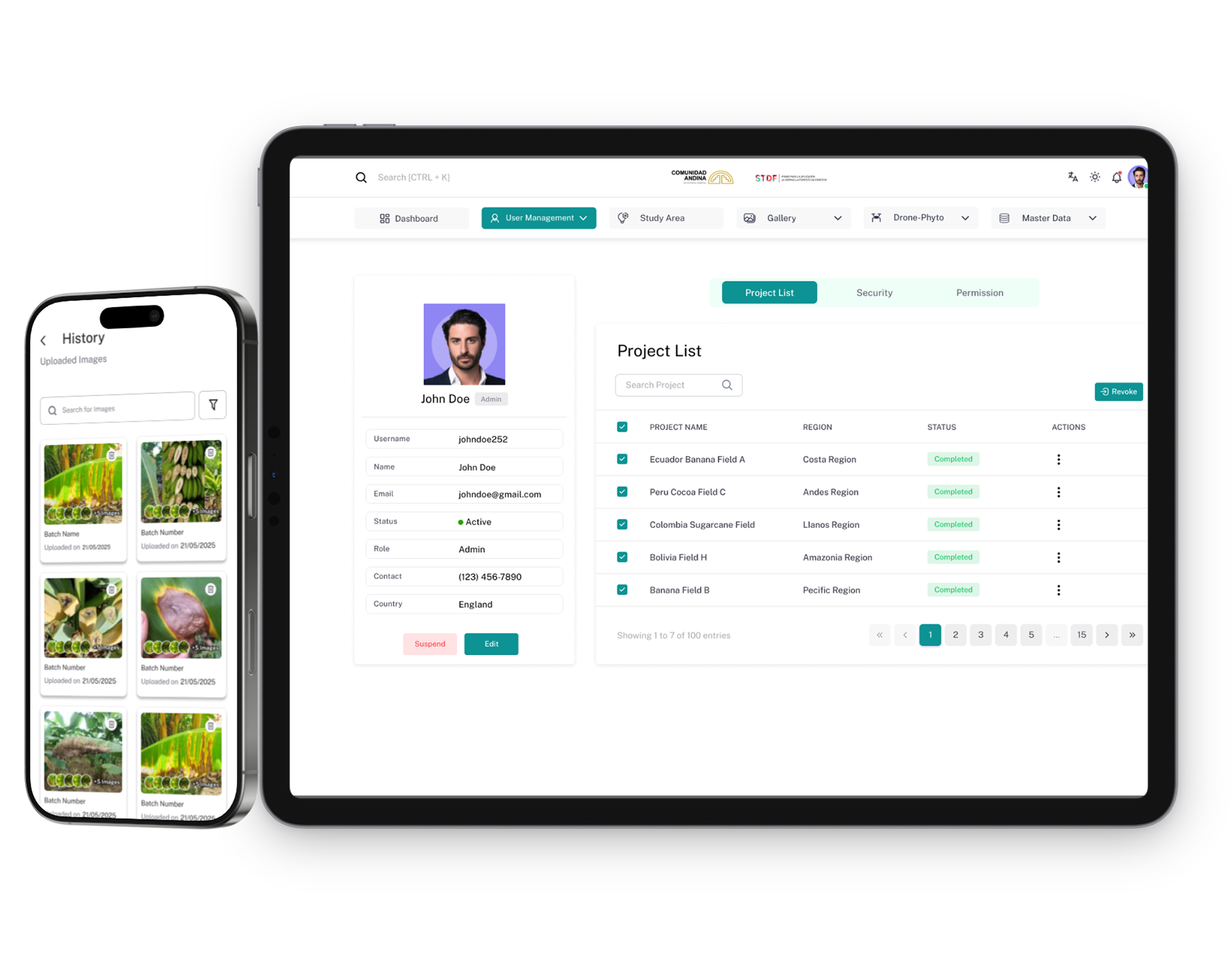
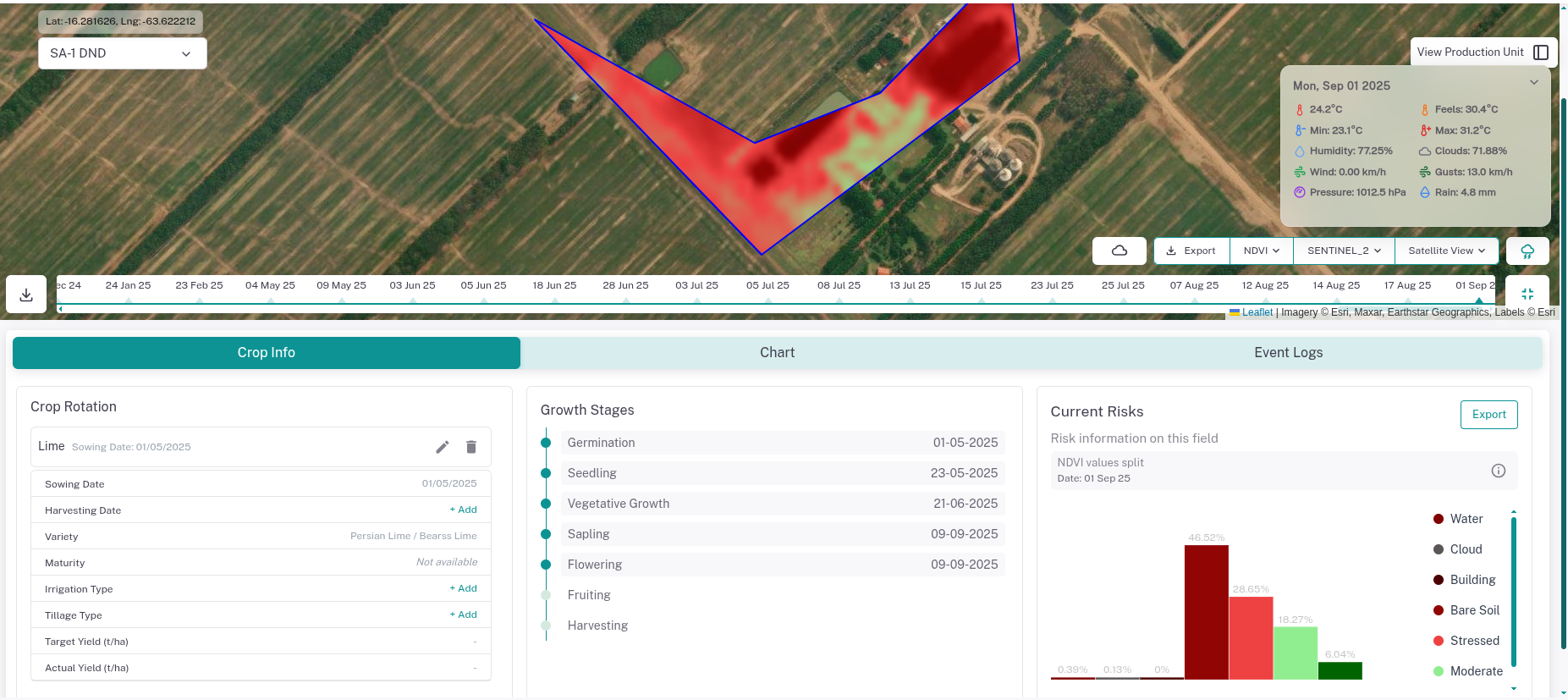
Hiteshi Infotech developed a predictive AI engine for an agricultural platform, leveraging satellite and drone imagery to monitor crop health. Using advanced models and indices like NDVI and SAVI, the system provides early detection of stress and pests, delivering actionable insights.

Success Data
Companies Competed
Hiteshi was selected from over 100 competing companies for this prestigious regional project.
Percentage
AI accuracy in pest detection through advanced machine learning algorithms.
The General Secretariat of the Andean Community needed a solution that could
Create an early warning system for pest threats across four countries to prevent crop damage and economic losses.
Process multiple data sources, including satellite images, drone footage, weather data, and field observations, in real-time.
Build a unified platform that works across different countries with varying technological infrastructure and data standards.
Provide a mobile application that allows field workers and farmers to capture crop images for instant pest detection and reporting.
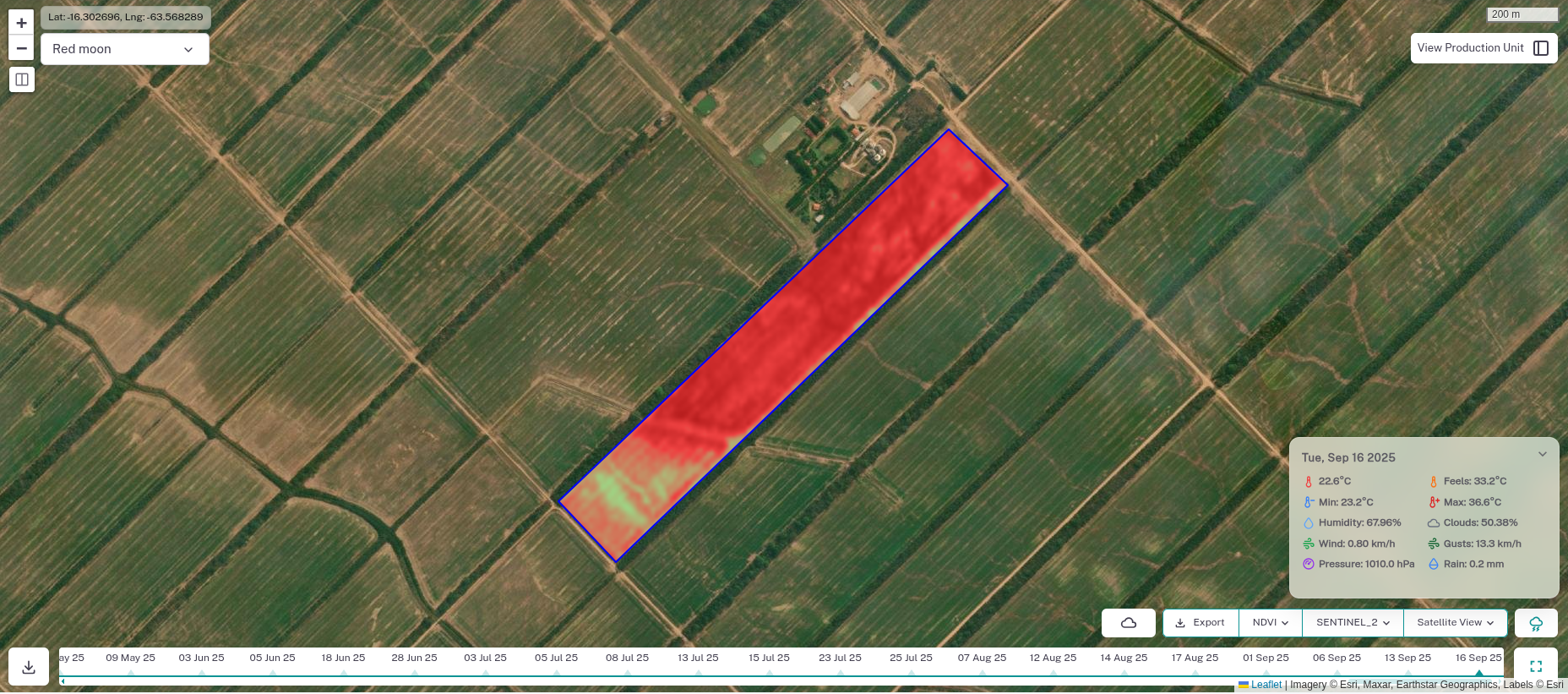
The platform analyzes satellite, drone, and mobile images to automatically detect crop threats. Using machine learning with high precision, it processes vegetation data and identifies pest patterns before significant damage occurs.
Continuous satellite monitoring enables early pest detection across vast agricultural areas. The system calculates vegetation indices and performs analysis to track crop health while identifying threat patterns over time.
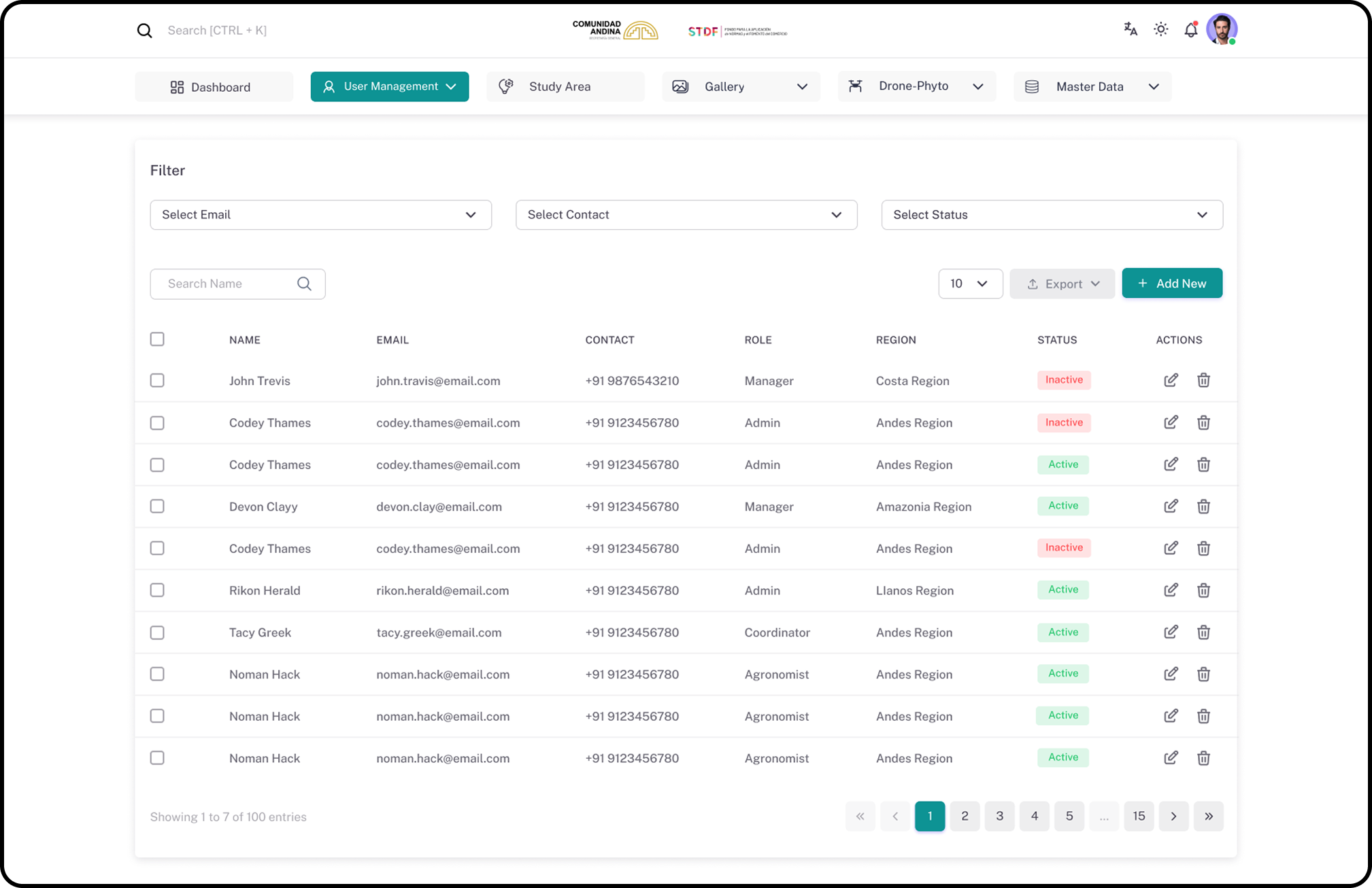
The solution connects data from weather stations, sensors, field reports, and imaging sources into one centralized system. This allows authorities across all four countries to share information and coordinate pest management efforts effectively.
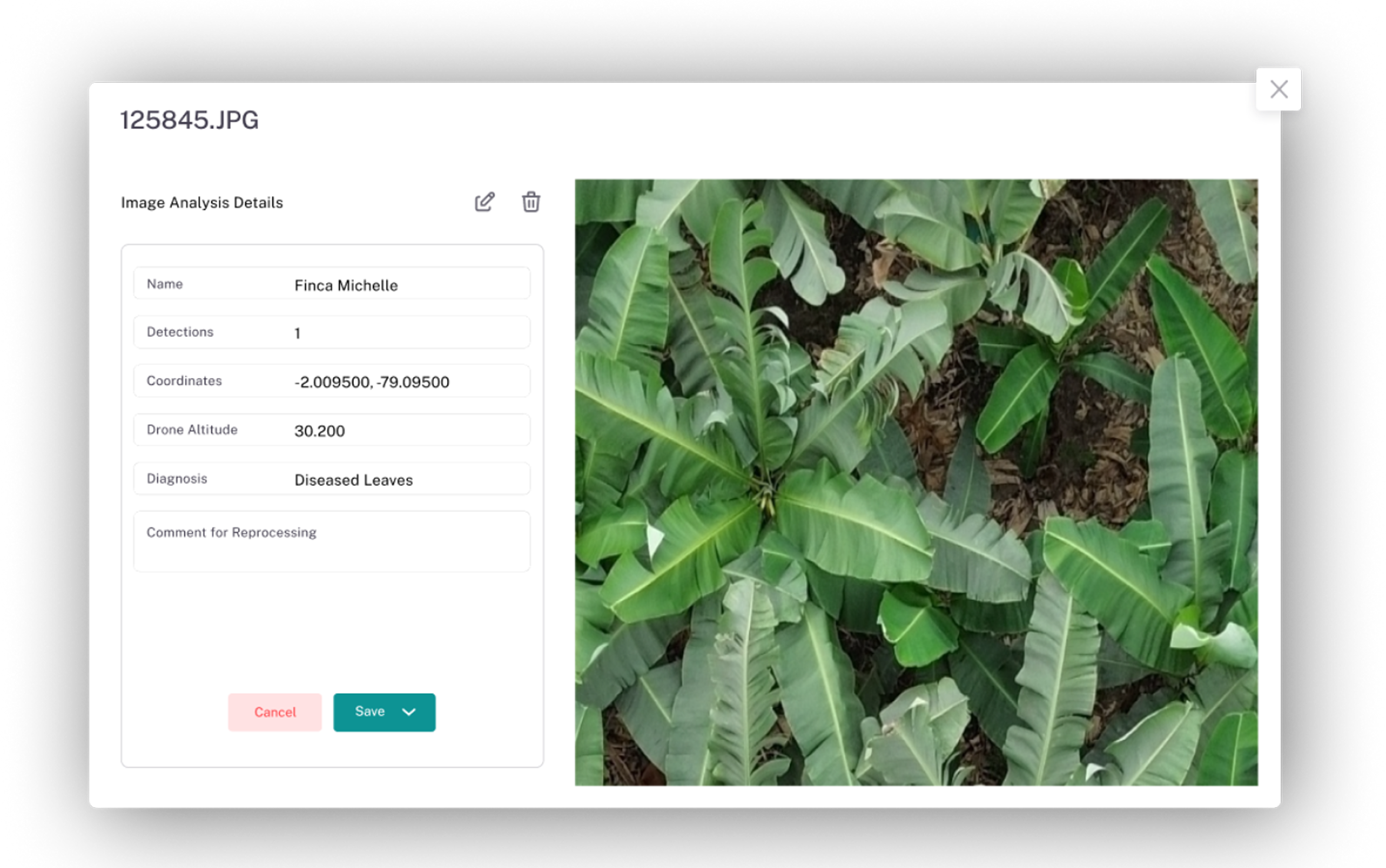

Each country had different data collection methods, making it difficult to create a unified pest monitoring system across the region.

Traditional pest detection relied on manual field inspections, causing delays in response time and increasing the risk of missing early-stage infestations.

Poor technology integration made it difficult for agricultural authorities to share critical pest information and coordinate regional responses.
Hiteshi’s team of experts proposed a comprehensive solution to address the client's challenges. The key aspects of the solution were
The Agricultural Intelligence System successfully redefined how the Andean Community manages agricultural threats and protects farmer livelihoods. The platform delivered
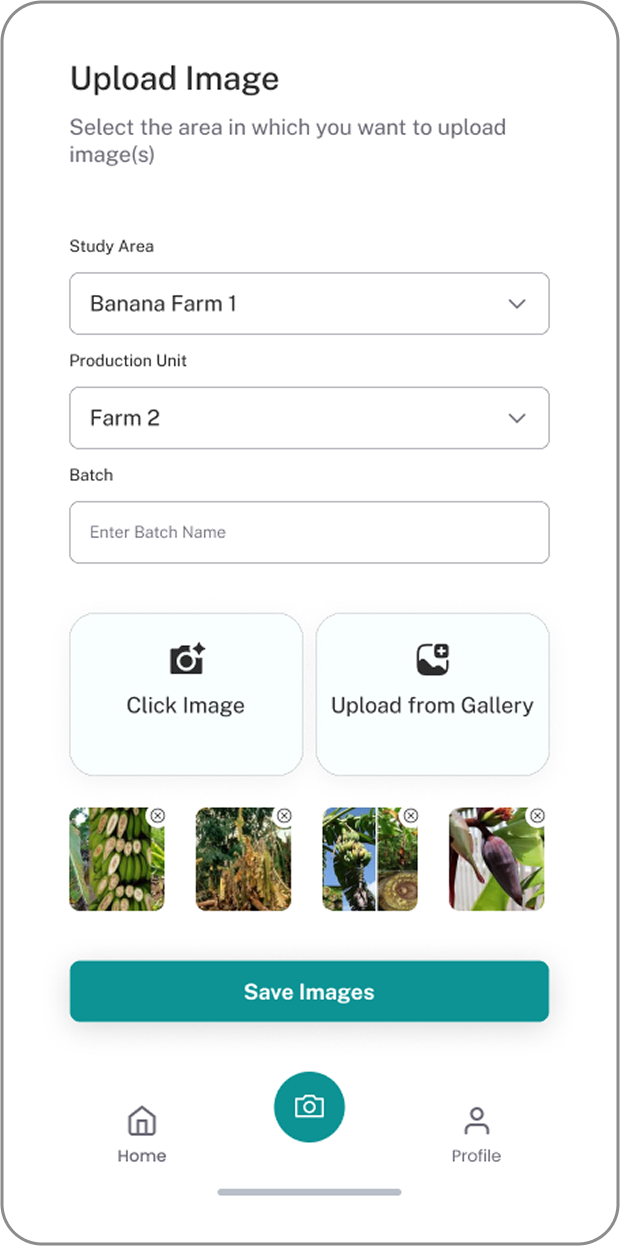
The project demonstrates how AI technology can transform traditional agriculture while providing developing regions with advanced tools to protect food security and support sustainable farming practices.

01
Early pest detection capabilities that help farmers take preventive action, reducing crop losses and protecting agricultural income across the region.
02
Enhanced decision-making through data integration, enabling authorities to respond quickly to emerging pest threats.
03
Improved regional cooperation with a unified platform connecting agricultural authorities across Bolivia, Colombia, Ecuador, and Peru for coordinated pest management.
 1.8ab90950.png)


 1.82b02f99.png)